
Keep Learning Fun & Turn Failure Around With These 3 Hacks
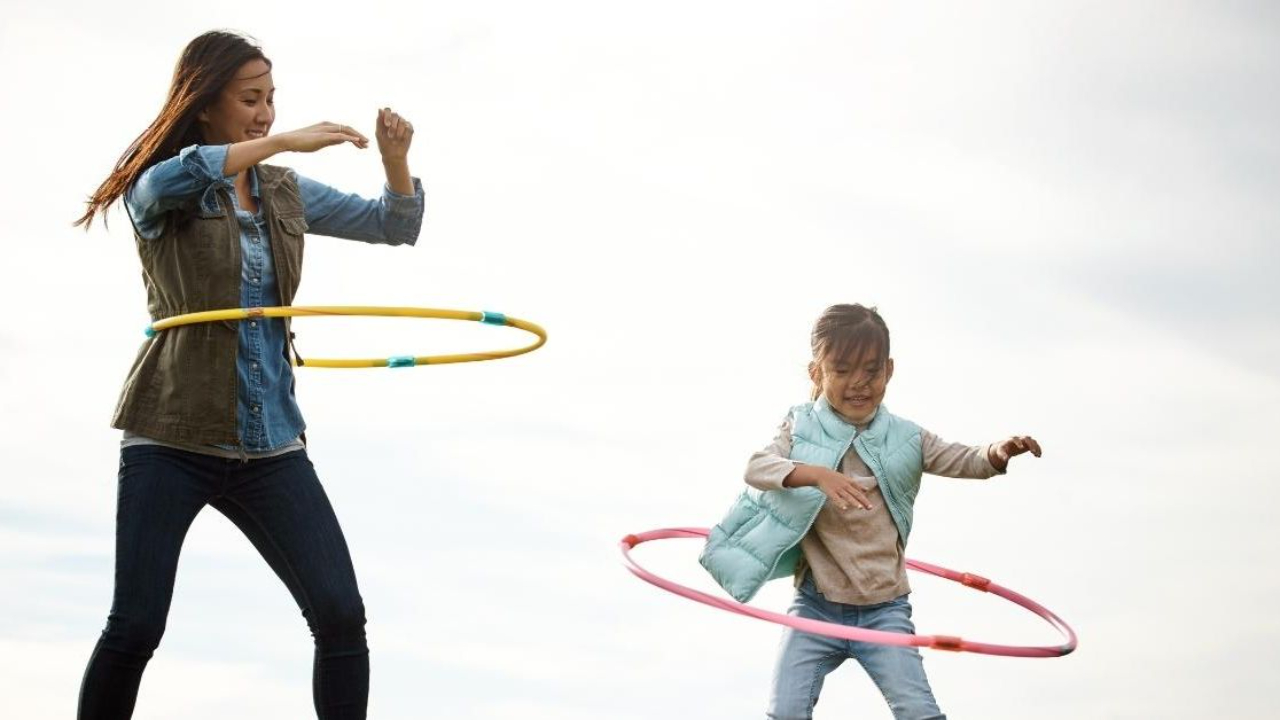
Ever tried to learn something new as an adult? Here are 3 hacks to succeed
Learning something new as an adult can be daunting and make you feel like you’re starting small and get little progress. No wonder – adults have so much more on their plate, family, work, home, friends… We don’t learn like we did as a child anymore – like immersing ourselves into a new sport or instrument, and not minding to fail and restart as much as we do now. In this article I give 3 approaches to still succeed.
If you ever tried to learn a new language or considered picking up any new skill as an adult – be it a new dance class or a new sport, language, instrument or computer skills – whatever it was you had on your mind. Did you feel that slight feeling of embarrassment, of feeling like, why bother, why start now? What if I look stupid? What if I can’t do it?
If you ever had those doubts creep in that kept you from doing something you are interested in or even passionate about – then I have some great ideas for you to follow your interests, follow your passion, and get the doubts out of the way! Let’s do it!
Ok, let’s start with a positive – isn’t it a great feeling to discover a new passion or interest as an adult, just the thought of doing something you always wanted to do, to dive into it and make it a real hobby, a real skill, a proper time for recharge. Sadly, as adults we get discouraged quickly though because we put a lot of pressure on ourselves – and then we doubt ourselves – I’m not making any progress, I’m no good, I feel stupid… and then the excuses come automatically – I don’t ACTUALLY have the time to put in and become better, I don’t think I fit in, I am too old for this,… BLA BLA.
We don’t seem to remember that progress was slow, too, when we were kids.
Only then it felt more natural to repeat, to fail, to start again. It felt like it’s what everyone is doing. Everyone was learning around us. Everyone was practising something. Everyone was doing something new, failing, getting back up again, continuing, switching… Sports, instruments, languages. But now that we’re adults, this doesn’t come by so easily anymore. Learning something new and starting from scratch is not so common anymore. It’s called a comfort zone I guess. Anything that makes us uneasy, embarrassed or makes us doubt ourselves seems weird and we just give up. Am I right?
As adults we often surround ourselves with people who are like-minded, still, but in a different way. People who are colleagues, student friends, neighbours. So we have education, careers and houses in common. But that somewhat adds to that status we want to keep up. And starting small with something new, something nobody around us can relate to, feels scary.
In addition, we have to accept that there are people who love their comfort zones, and then there are others who like to learn and grow. Since you’re here, listening to this podcast, I’m daring to assume that you are the latter. A person with a growth mindset, rather than a stagnant mindset. Funnily enough, research suggests that there is often one of each mindset in a relationship – that also doesn’t help because it might well be that your partner is very happy with who they are and what they do, so they might not understand nor support your ambitions. Could that apply to your relationship, to your marriage?
So once we start something new, we don’t only lack external support, but also, we might feel watched, embarrassed, and put on the spot because we can’t really show any progress yet. We are afraid to start small, and if we are afraid to be seen starting small, then that is a tough situation to be in and can lead to us quitting before we even started.
Speaking from my own experience, there are few things that I can recommend to overcome the fear of starting small. As an adult I myself have learned to play the piano, even taken exams in classic piano. I’ve learned Spanish to travel to South America, and I’ve also learned a lot of technical skills when I started my own business – building websites, running social media accounts, doing a podcast on my own, and so on.
So let’s dive into some things you can do to follow your passion and learn that new thing.
Join a community of newbies – in person or virtually
Social support is often underestimated but we are social beings and need that encouragement, whether we like it or not. If your friends, family, or partner don’t want to join your hobby and aren’t interested then that’s ok. You can find other like-minded people who are newbies too and cheer each other on.
Even if it’s a virtual community, posting questions, answering other people’s questions, kind of being there for each other, having that community spirit about it really keeps you going because you see, you are not the only one having those questions or challenges. Everyone has them. And that keeps you going because that doesn’t snap away your self-esteem that actually encourages you and empowers you.
Acquaint yourself with your interest before sharing it with others
We are often in “new” situations as adults – new job, new home, new baby and so on. Those occasions get celebrated with our dear ones, we are happy for each other. BUT when learning a new skill, I personally found it easier to not immediately share it with a lot of people because my life isn’t changing and… well I’m just starting.
It’s not a new address or job title, but rather a gradual process which I need to grow into, you know what I mean? It can kill the buzz of a new interest if you haven’t even quite started yet but someone already judges or tests you – like, play us something on the piano, or, say something in Spanish.
Those awkward situations can feel like you’ve failed before you even started, so in the early days or weeks I’d recommend figuring it out on your own – and with the people who are newbies like you – rather than sharing your new interest with people outside your immediate family and learning group.
Beyond the pressure you might feel if you’re just starting out on something new, it can also be quite disappointing if you tell people about it and they then show no interest at all. It can be discouraging and make you feel less connected to your friends, and worse so, lose interest in your hobby because of their lack of interest.
And just to be clear, I’m not trying to badmouth your friends or family here – I’m just trying to be aware of normal human emotions and reactions, so they don’t catch you off guard.
Redefine your identity including your new interest
Sure, it’s just a hobby. But if you really see yourself as “someone who plays the guitar” or “someone who speaks Italian” then you adopt and embrace your new skill into your life. Give it a real place in your life.
It might impact future choices too – concerts, travel, friendships, all can be impacted by your new interest and the more passionate you feel the more you’ll feel drawn to those.
Thus, making this part of your identity can make the biggest impact on keeping up a hobby long term. Involve it in your life. Intertwine it into your life. Make it part of your thinking and behaving. Make it part of you know who you want to be and set your goals accordingly.
Yes, it’s a hobby, but it doesn’t mean you can’t have it part of your life or be, make it become part of your identity. So if your new hobby is playing the piano, maybe your goal would be to play the piano next Christmas at the family party and play a few nice songs. And maybe that could become a new tradition in your family. Wouldn’t that be beautiful and enjoyable for everyone, and make it so much more worthwhile to put in the long hours of practice if you have something like that to look forward to?
Bonus advice, and this is really personal, I believe that when you find something you’re really passionate about and you have that growth community, have really made it your own, and are intertwining it with your personal identity. Then make sure to show and share this passion with your children.
Really show them who you are and what you love. Involve them in it, maybe have a family tradition or teach them your skill too. Let that passion flow and inspire them.
Our kids learn so much from us, let’s teach them to follow their passions – no matter what age they are at or situation they are in.
To me – That’s what happiness is about, intertwining life and passions & our close ones.